
Comparing Holistic and Conventional Nutrition Approaches for Women


Understanding Holistic Nutrition
Holistic nutrition focuses on the whole person, considering physical, mental, and emotional well-being. It emphasizes natural, unprocessed foods and aims to balance the body's systems. This approach often incorporates alternative therapies such as herbal remedies and mindfulness practices.
One key aspect of holistic nutrition is its personalized nature. Diet plans are tailored to individual needs, considering factors like lifestyle, stress levels, and specific health concerns. This personalization can lead to more sustainable and effective health outcomes.
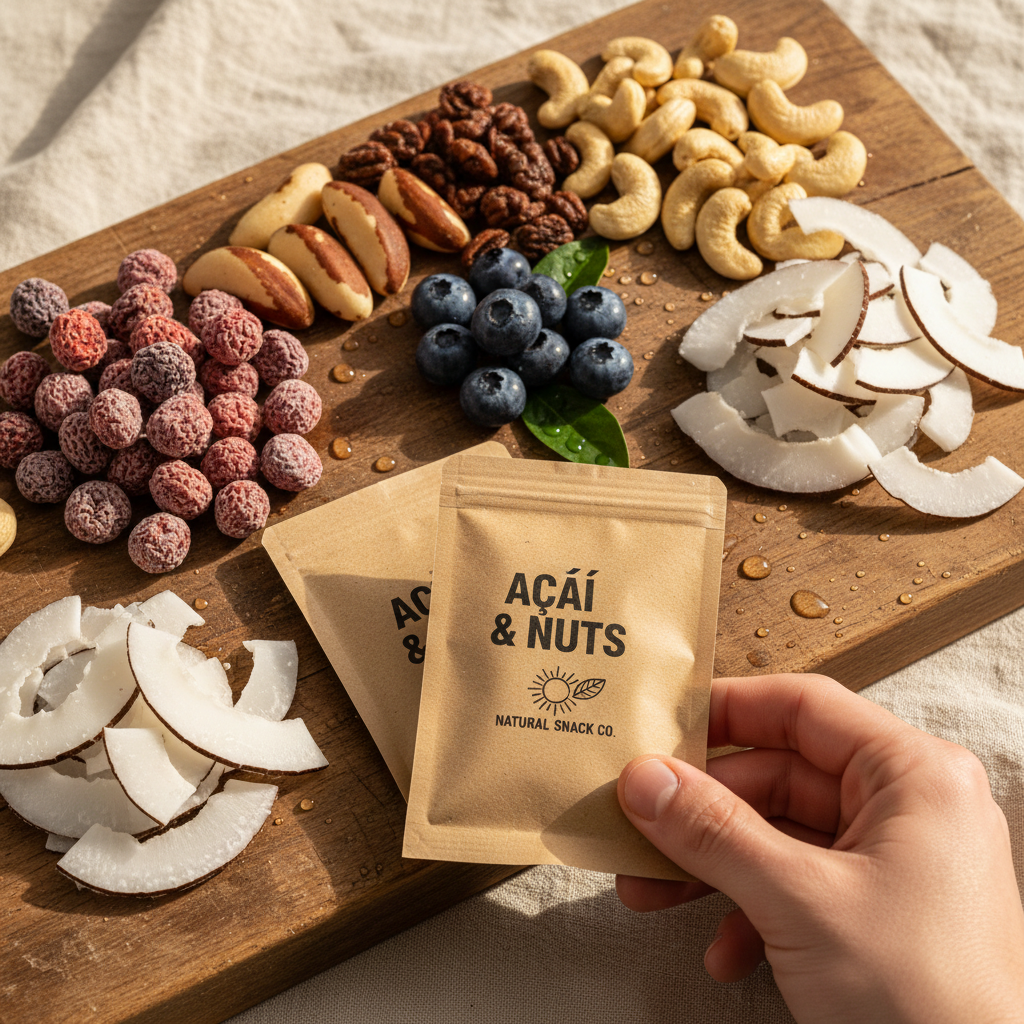
Examining Conventional Nutrition
Conventional nutrition, on the other hand, is typically based on scientific research and government guidelines. It focuses on macronutrients like carbohydrates, proteins, and fats, and follows established dietary recommendations to maintain health and prevent diseases.
This approach often involves calorie counting and a structured meal plan. Foods are classified based on their nutritional content, and the diet is designed to provide all necessary nutrients in the right proportions.

Key Differences
There are several differences between holistic and conventional nutrition approaches. One major distinction is the focus on individualization in holistic nutrition compared to the more generalized guidelines of conventional nutrition.
Holistic nutrition often incorporates a broader range of practices, such as stress management techniques and alternative therapies, whereas conventional nutrition tends to focus primarily on dietary intake and exercise.

Benefits and Challenges
Both approaches have their benefits and challenges. Holistic nutrition's personalized nature can lead to more effective health solutions, but it may require more time and effort to implement. Conventional nutrition is more straightforward and widely accepted, but it may not address the unique needs of each individual.
Women, in particular, may find that a combination of both approaches works best, allowing for flexibility and personalization while still adhering to established nutritional guidelines.
Choosing the Right Approach
When deciding between holistic and conventional nutrition, it's essential to consider personal goals and health needs. Consulting with a healthcare provider or nutritionist can provide valuable insights and guidance.
Ultimately, the best approach is one that aligns with individual values, lifestyle, and health objectives, providing a balanced and fulfilling path to wellness.

Conclusion
Both holistic and conventional nutrition approaches offer valuable insights into maintaining a healthy lifestyle. By understanding the differences and benefits of each, women can make informed decisions that support their overall well-being.
Embracing a flexible approach that incorporates elements from both can lead to a more balanced and satisfying nutritional experience.