
DIY Mental Wellness Tips: Creating a Relaxing Space at Home


Creating a relaxing space at home is an essential step in enhancing your mental wellness. A well-designed environment can significantly impact your mood, reduce stress, and foster a sense of peace. Here are some DIY tips to help you transform your home into a sanctuary of relaxation.
Choose Soothing Colors
Colors have a profound effect on our emotions and mental state. Opt for soothing hues such as soft blues, gentle greens, or warm neutrals. These colors are known to promote calmness and tranquility, making them perfect for a relaxing space.
Consider painting your walls or adding decorative elements like cushions and throws in these calming shades. If painting isn't an option, use wall art or decals to introduce these colors into your space.

Incorporate Natural Elements
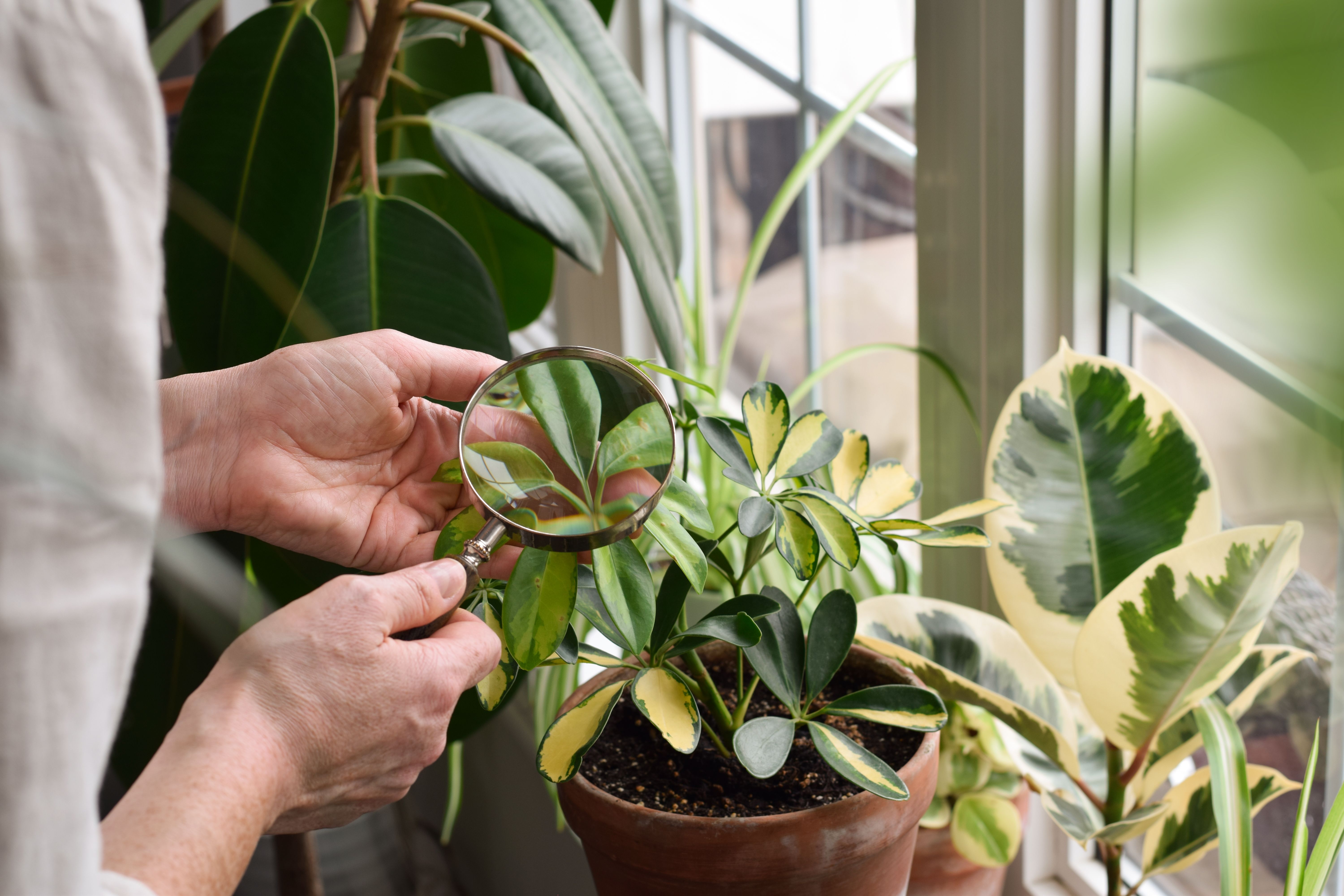
Bringing nature indoors can greatly enhance your mental well-being. Houseplants, for instance, not only purify the air but also provide a sense of connectedness to nature. Choose low-maintenance plants like succulents or peace lilies for easy care.
Additionally, consider using natural materials such as wood and stone in your decor. These materials add texture and warmth, creating a more inviting atmosphere. A wooden coffee table or stone coasters can be simple yet effective additions.
Create a Comfortable Seating Area
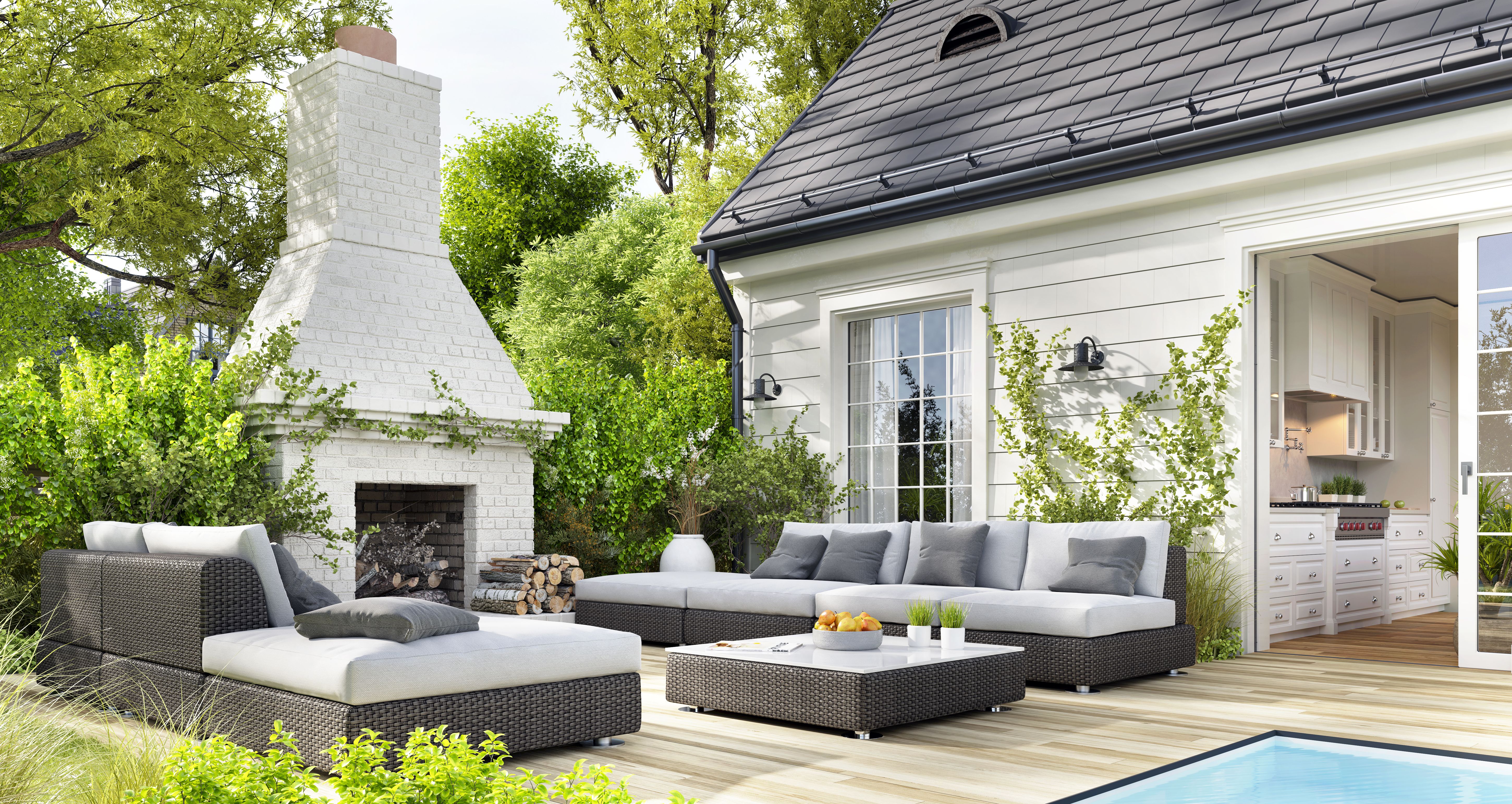
Your seating area should be a place where you can unwind and relax. Invest in a comfortable chair or sofa that supports your body. Add plush cushions and a soft blanket to enhance comfort and make the space more inviting.
Consider arranging your seating to maximize natural light, as sunlight has been shown to boost mood and energy levels. If natural light is limited, use warm, soft lighting to create a cozy ambiance.
Minimize Clutter
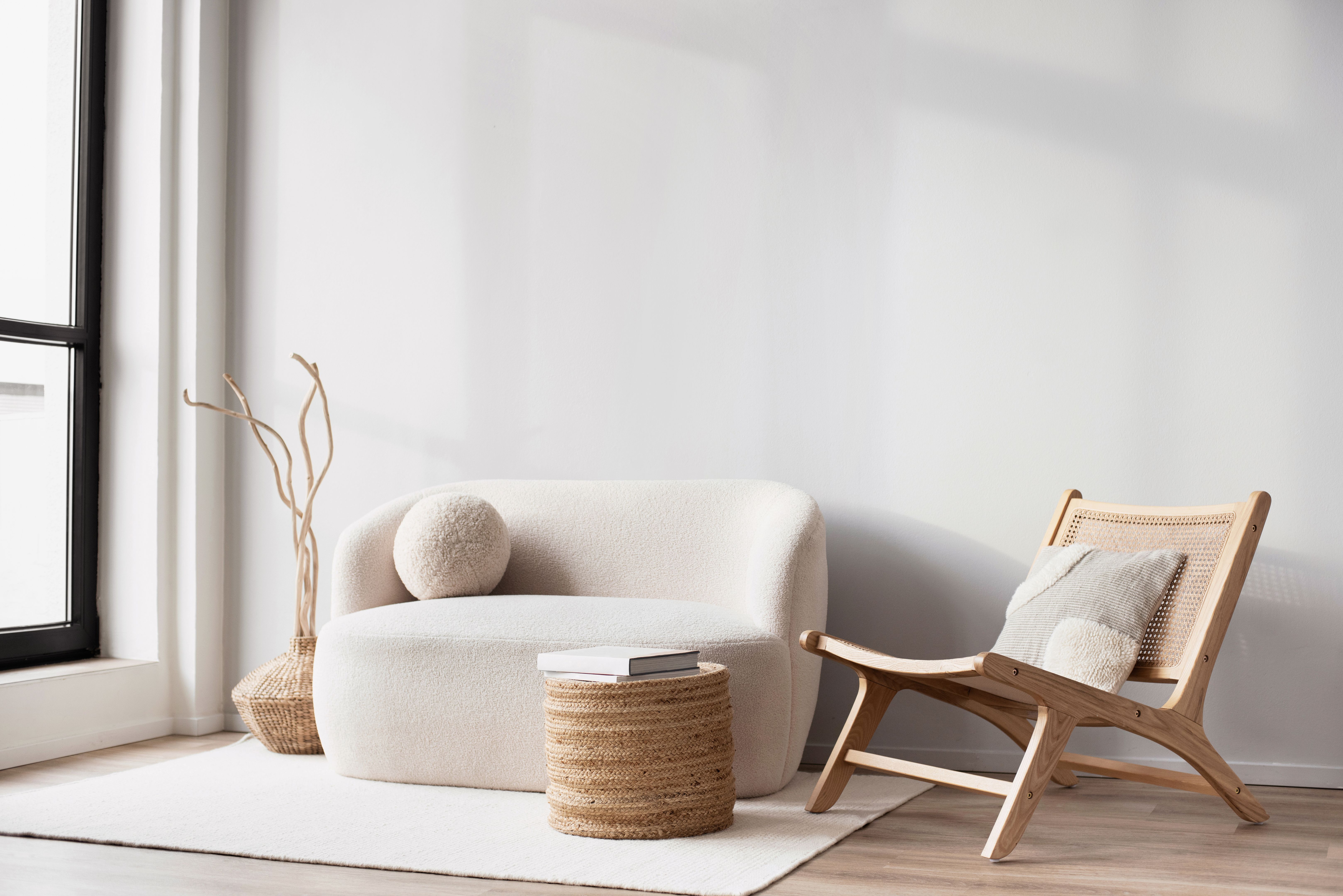
Clutter can be a significant source of stress, making it difficult to relax. Take time to declutter your space and organize your belongings. Use storage solutions like baskets and shelves to keep items neatly arranged and out of sight.
Adopt a minimalist approach to decor, focusing on quality over quantity. A few well-chosen pieces can create a more serene and spacious environment, allowing you to breathe easier and feel more at ease.
Incorporate Relaxing Scents
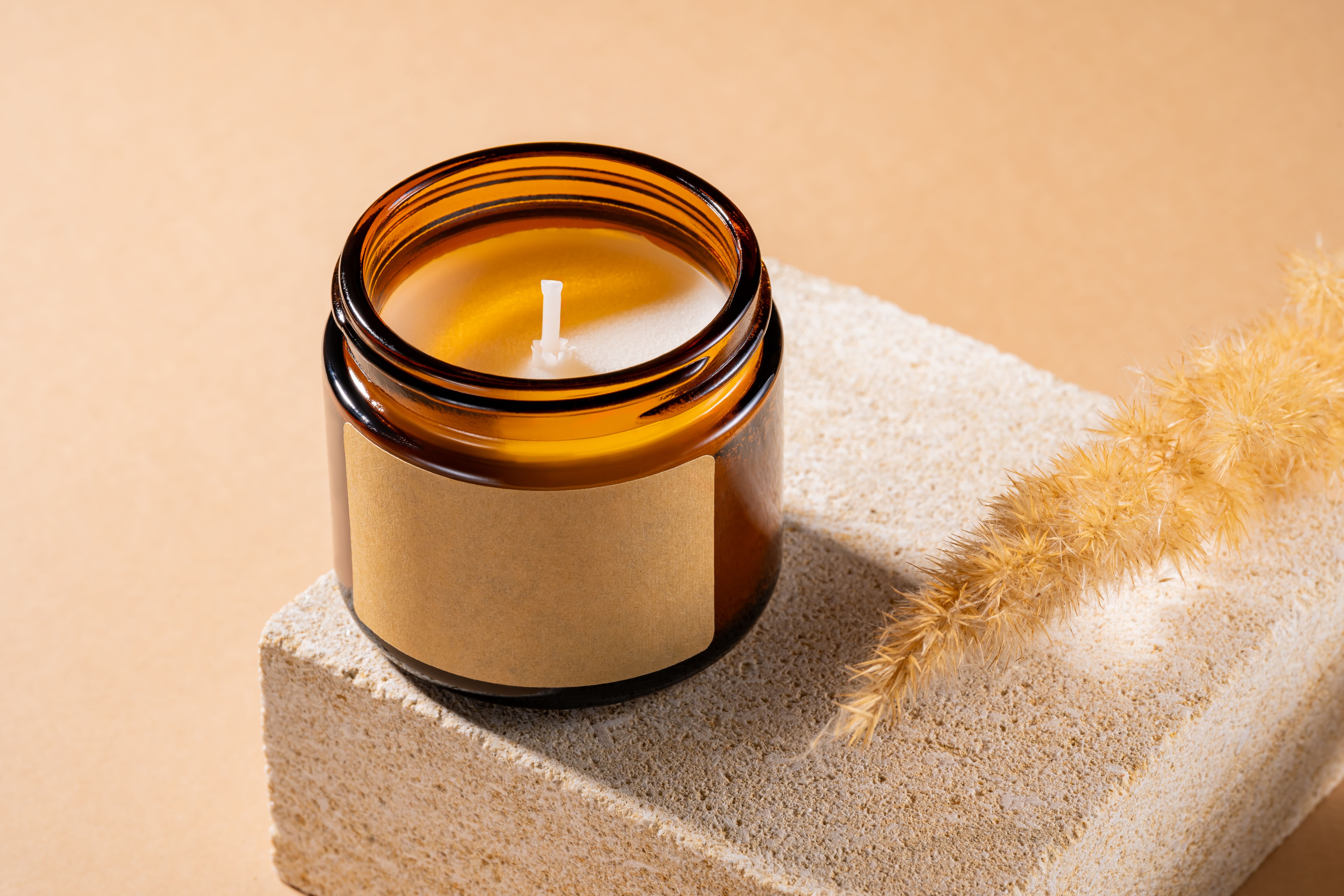
Scents can play a powerful role in influencing your mood. Use essential oils or scented candles to fill your space with relaxing aromas. Lavender, chamomile, and eucalyptus are popular choices known for their calming properties.
Place these scents in areas where you spend the most time, such as your living room or bedroom. A diffuser can help disperse these aromas evenly, creating a consistent and soothing atmosphere.
Add Personal Touches
Personal touches can make your space feel truly yours and enhance your sense of comfort. Display photographs, artwork, or souvenirs that bring you joy and positive memories. These items can serve as reminders of happy times and help lift your spirits.
Additionally, consider incorporating elements that reflect your hobbies or interests, such as books, musical instruments, or art supplies. These items can inspire creativity and provide a sense of fulfillment.
By implementing these DIY tips, you can create a relaxing space at home that supports your mental wellness. A thoughtful and well-designed environment can be a powerful tool in promoting tranquility and reducing stress, allowing you to enjoy a more peaceful life.