
NourishHer Health's Guide to Seasonal Nutrition for Women


As the seasons change, so do our nutritional needs. At NourishHer Health, we believe that aligning your diet with the natural rhythms of the year can have a profound impact on your overall well-being. Understanding seasonal nutrition can help women optimize their health and vitality throughout the year.
The Importance of Seasonal Nutrition
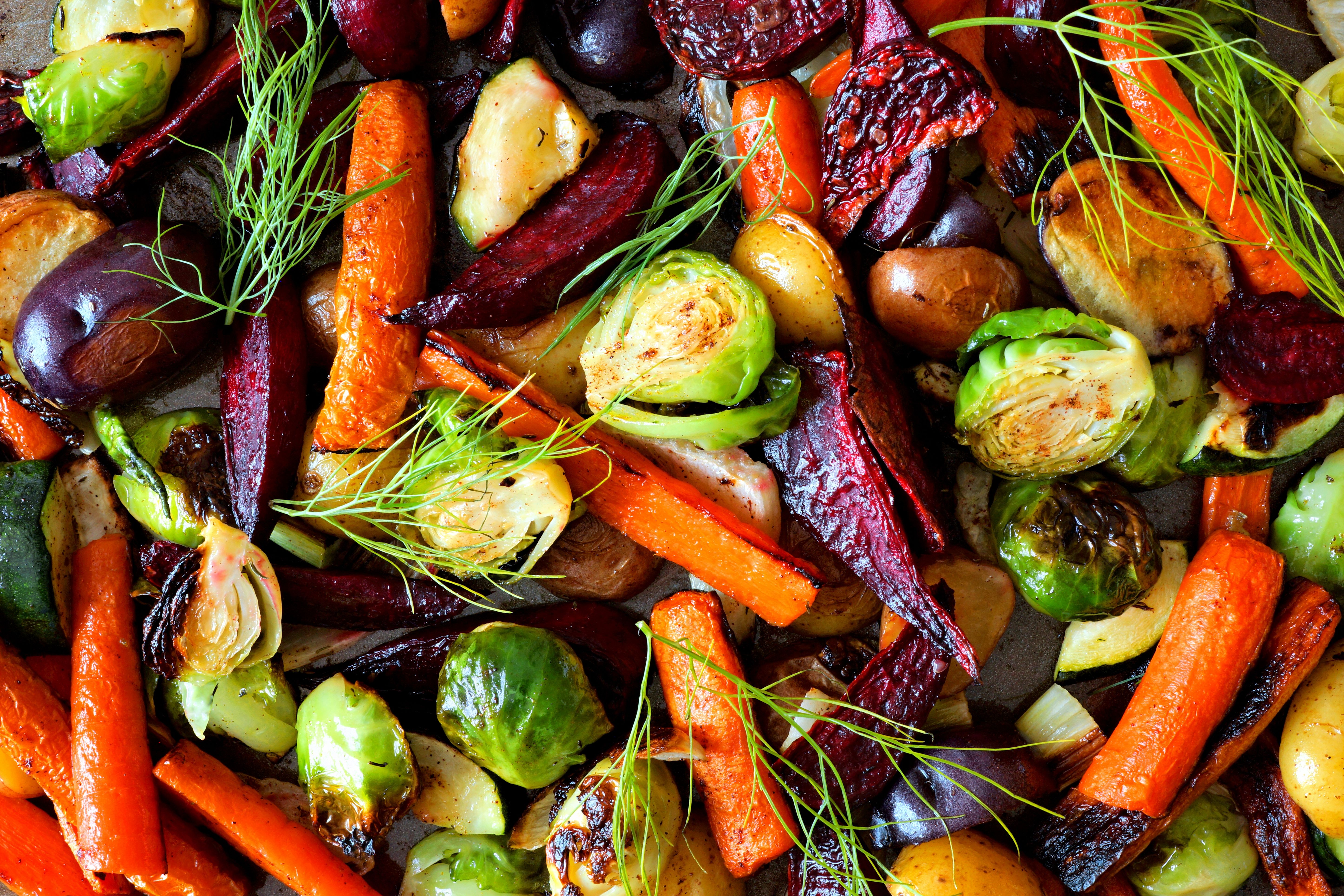
Eating foods that are in season offers a variety of benefits. Not only are these foods fresher and tastier, but they also tend to be more nutrient-dense. Seasonal eating supports local agriculture and reduces the carbon footprint associated with transporting out-of-season produce.
For women, embracing seasonal nutrition can help address specific health concerns. The nutrients found in seasonal foods can support hormonal balance, boost energy levels, and improve mood.
Spring: A Time for Renewal
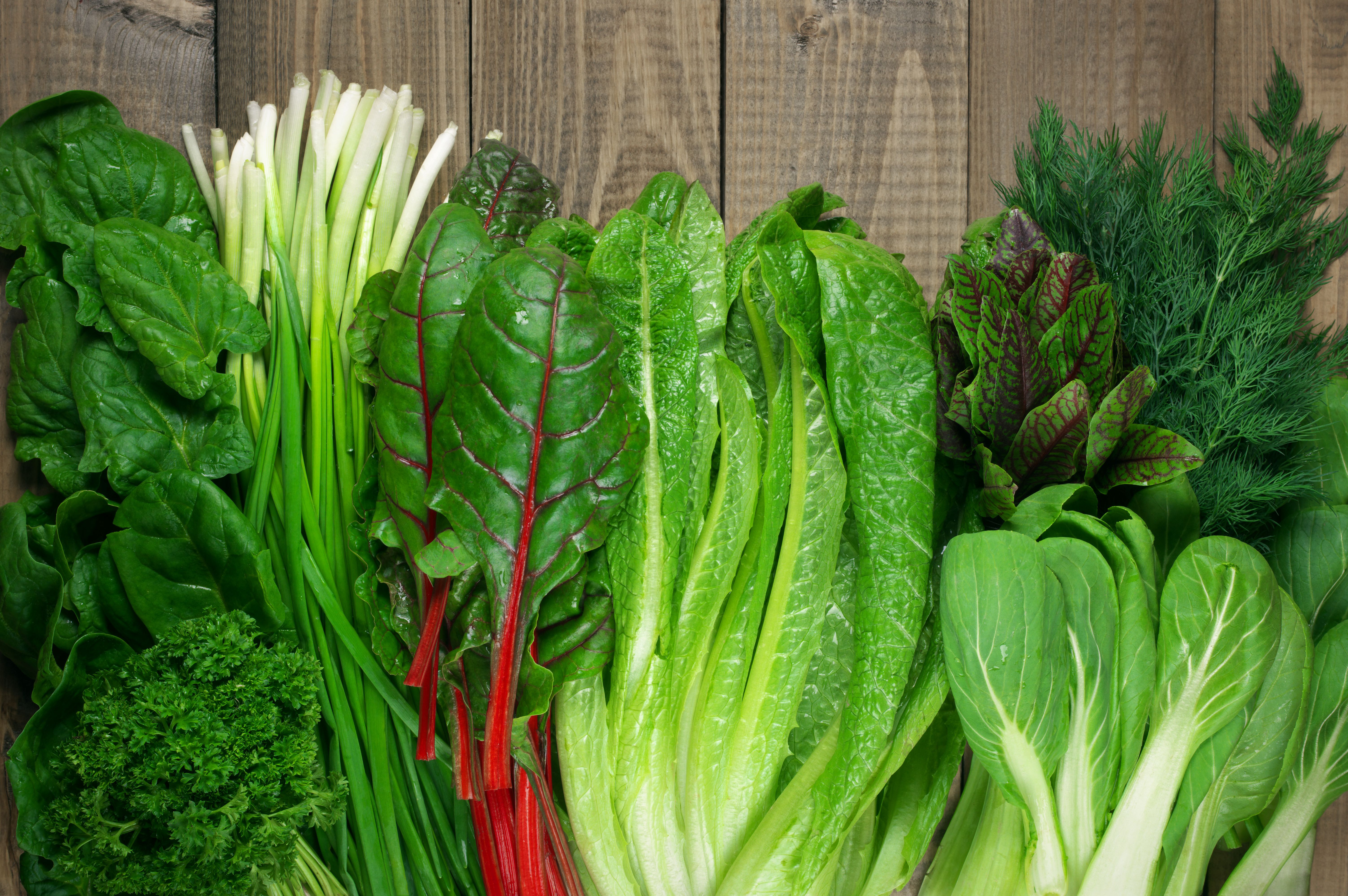
Spring is a season of renewal and growth, and your diet should reflect this energy. Focus on incorporating fresh greens like spinach, kale, and asparagus. These vegetables are rich in iron and folate, essential for energy and cell regeneration.
Consider adding citrus fruits like oranges and lemons, which are high in vitamin C and support immune function. This is also a great time to start incorporating lighter grains such as quinoa and barley.
Summer: Staying Hydrated and Energized
Summer brings warmth and activity, making hydration a top priority. Opt for water-rich fruits and vegetables like watermelon, cucumbers, and tomatoes to stay cool and hydrated. These foods are also packed with antioxidants that protect your skin from sun damage.
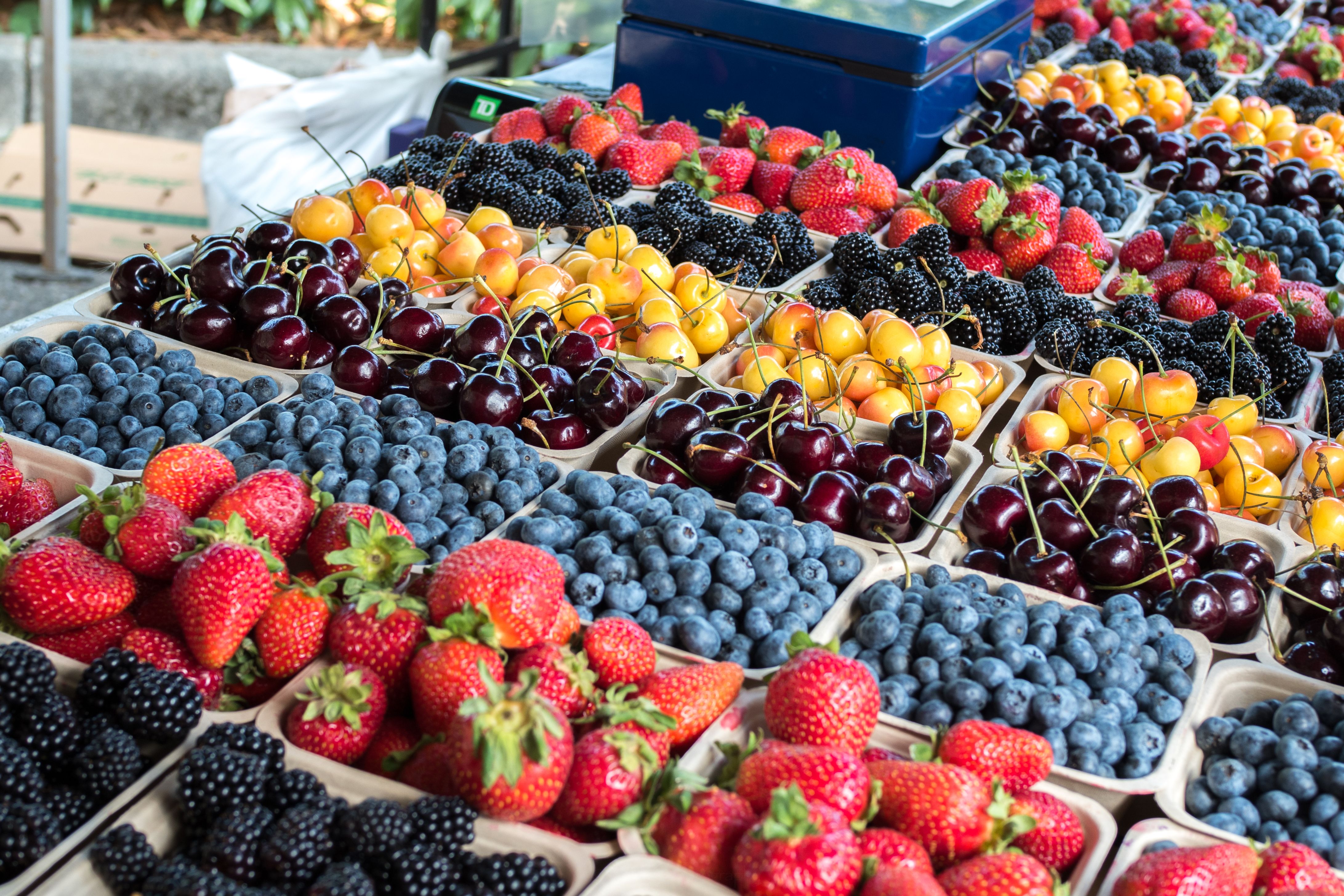
Incorporate lean proteins like grilled chicken or tofu, and whole grains like brown rice to maintain energy levels for all your summer adventures. Don't forget to enjoy the abundance of berries, which are high in fiber and vitamin C.
Autumn: Building Immunity
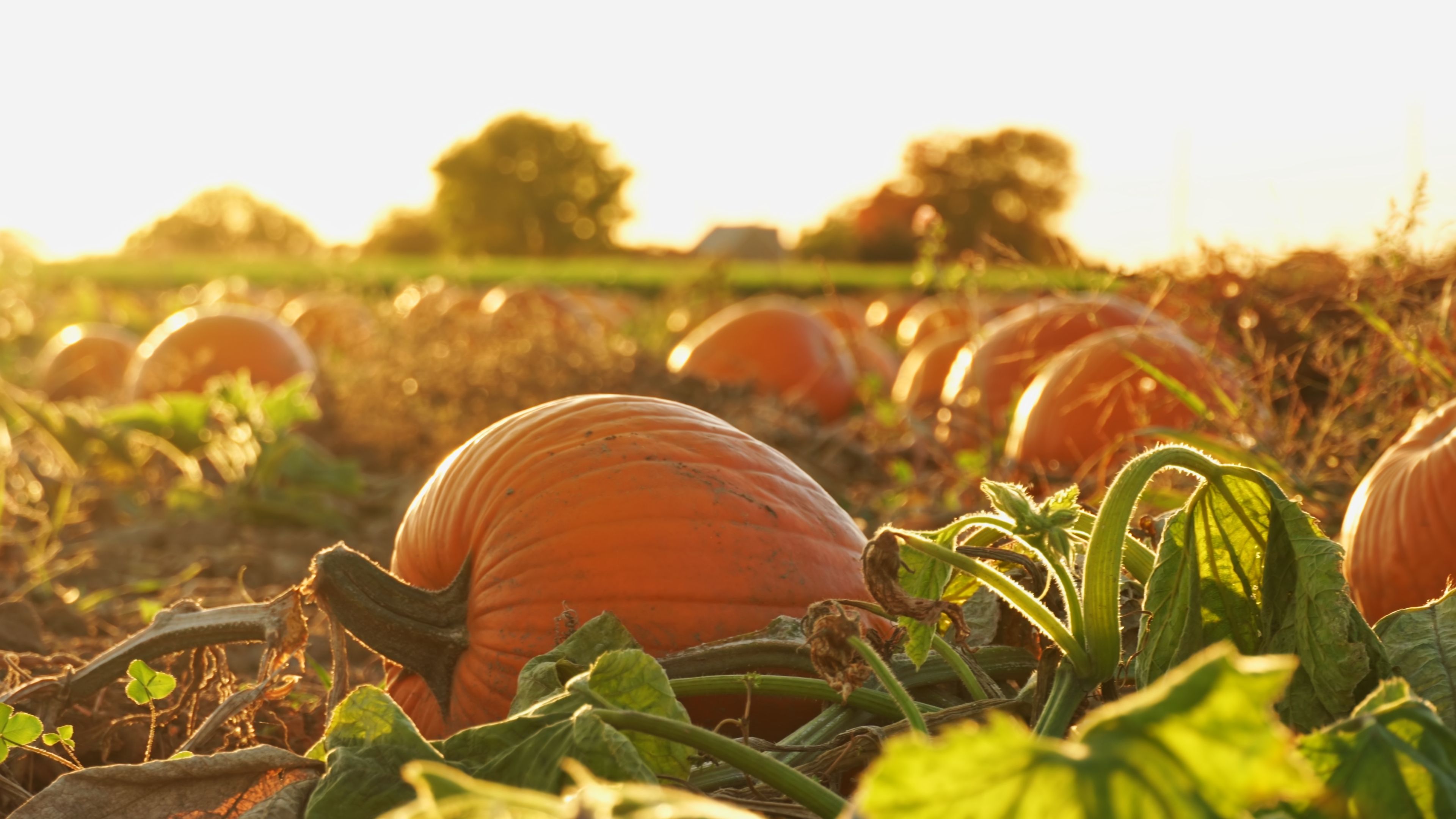
As the weather cools, focus on building immunity with nutrient-rich foods. Pumpkins, sweet potatoes, and carrots are excellent sources of beta-carotene, which supports skin health and vision. These root vegetables also provide a warming energy that is perfect for the cooler months.
Include nuts and seeds like almonds and chia seeds for healthy fats and protein. These can help stabilize blood sugar levels and keep you feeling full longer.
Winter: Nourishing and Comforting
Winter is a time for nourishing and comforting foods that provide warmth and energy. Opt for hearty stews and soups made with seasonal vegetables like squash, cabbage, and Brussels sprouts. These foods are high in vitamins and minerals that support the immune system.
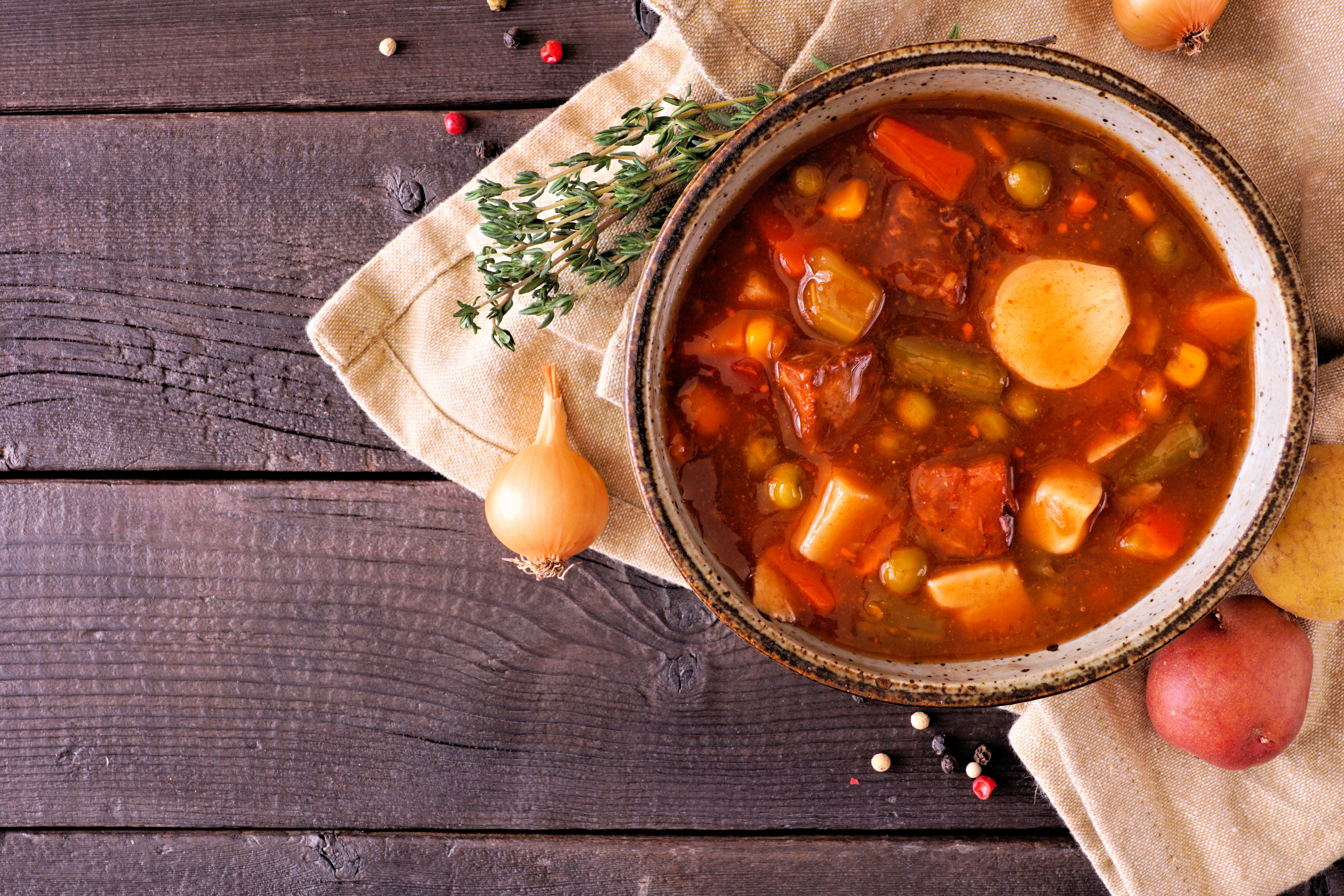
Incorporate whole grains like oats and quinoa, which offer sustained energy release. Don't forget to enjoy warming spices such as cinnamon and ginger, known for their anti-inflammatory properties.
Conclusion: Embrace the Seasons
By aligning your diet with the seasons, you can take advantage of the natural benefits that each time of year offers. At NourishHer Health, we encourage you to explore and enjoy the diverse flavors and nutrients that come with seasonal eating. This holistic approach can enhance your health, vitality, and connection to the world around you.