
Top Myths About Holistic Nutrition Debunked by Experts


Understanding Holistic Nutrition
Holistic nutrition is an approach to eating that considers the whole person and how they interact with their environment. It emphasizes the importance of physical, emotional, and spiritual health. Despite its growing popularity, several myths surround this nutritional approach. In this post, we'll debunk some common misconceptions with insights from experts.
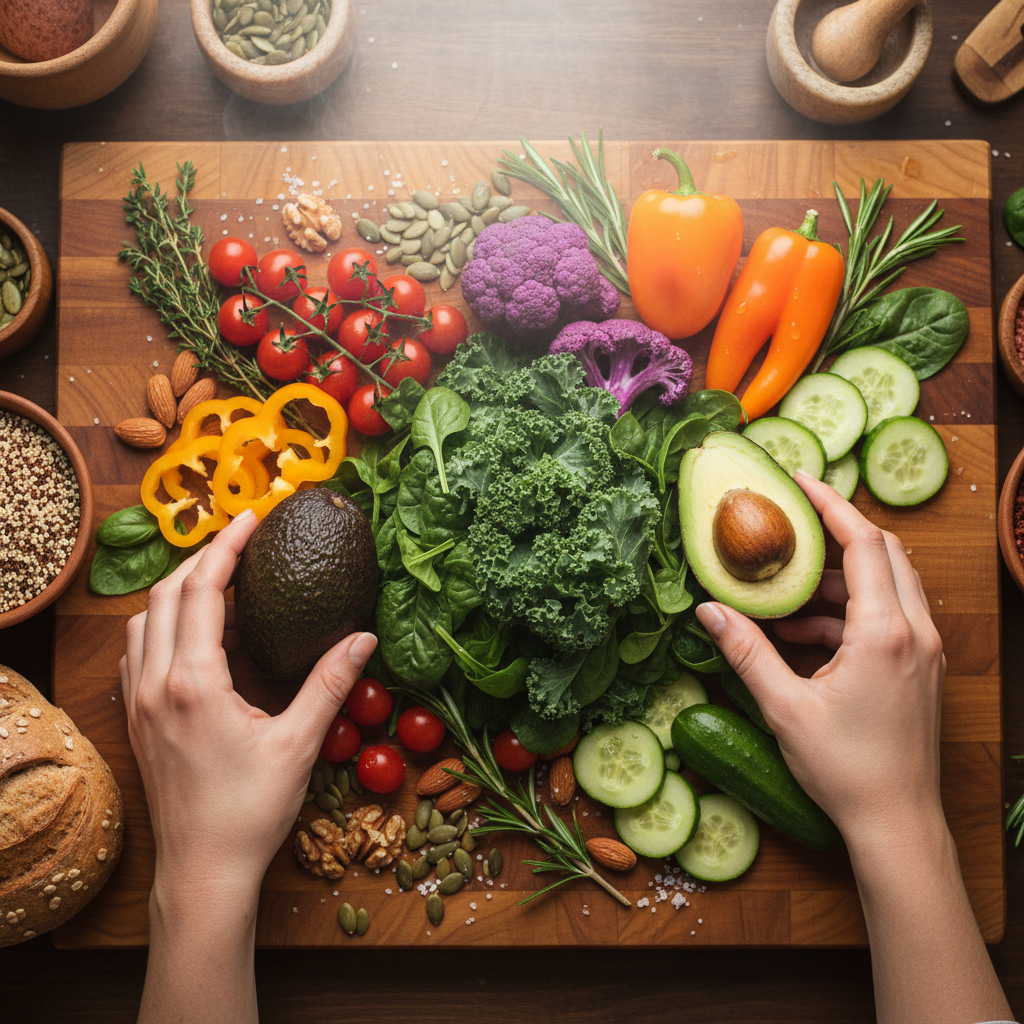
Myth 1: Holistic Nutrition Is Not Science-Based
A common myth is that holistic nutrition lacks scientific backing. However, holistic nutrition integrates scientific knowledge with traditional practices. Experts argue that it combines evidence-based research with a focus on individual needs, making it a comprehensive approach to health.
For instance, holistic nutritionists often use scientific studies to guide their recommendations on vitamins, minerals, and dietary changes. This integration ensures that the advice is both practical and effective.
Myth 2: It’s Just Another Fad Diet
Many people mistake holistic nutrition for a fad diet, but this is far from the truth. Unlike fad diets, which often promote quick fixes and restrictive eating, holistic nutrition advocates for long-term lifestyle changes. It emphasizes balance, variety, and moderation rather than eliminating entire food groups.

Myth 3: Holistic Nutrition Is Expensive
Another misconception is that a holistic approach to nutrition is costly. While it can involve organic and high-quality foods, holistic nutrition focuses on eating whole and minimally processed foods, which can be affordable. Planning meals and buying seasonal produce are practical strategies to keep costs down.
Experts suggest starting with small, manageable changes that align with your budget and gradually incorporating more holistic practices.
Myth 4: It's Only About Food
Holistic nutrition is often misunderstood as being solely food-centric. In reality, it encompasses much more, including lifestyle factors such as exercise, stress management, and mental health. This comprehensive approach aims to support overall well-being.

Myth 5: You Need to Be a Vegetarian or Vegan
Many believe that holistic nutrition requires adopting a vegetarian or vegan diet. However, holistic nutrition is personalized and can include various dietary preferences. The focus is on nutrient-dense foods, whether plant-based or animal-based, tailored to individual health needs and ethical considerations.
By debunking these myths, we hope to provide a clearer understanding of holistic nutrition and its benefits. Embracing this approach can lead to a more balanced and healthier lifestyle, supported by scientific evidence and expert insights.